Traditional Medicine and Ethnomedicine World Conference 2026
Speakers - tmewc2026
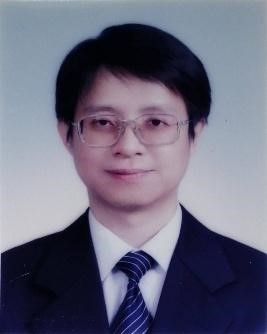
Chih Yu Wang
Chih Yu Wang
- Designation: I-Shou University
- Country: Taiwan
- Title: Deep Learning–Based Auricular Acupoint Mapping with Sub-Millimeter Accuracy
Abstract
Accurate localization of auricular acupoints is critical for the effectiveness and reproducibility of auriculotherapy; however, conventional identification methods rely heavily on practitioners’ experience and are susceptible to anatomical variability among individuals. To address these limitations, this study proposes a deep learning–driven automatic auricular acupoint localization framework designed to enhance precision, objectivity, and clinical consistency in both research and practical applications. Twenty-one clinically common auricular acupoints were annotated using high-resolution multi-angle ear images to capture variations in morphology and posture. Image inpainting techniques were subsequently applied to remove visual markers while preserving anatomical realism, thereby improving model generalization and reducing annotation bias. A COCO-format dataset comprising 2,824 preprocessed images was constructed and utilized to train a lightweight YOLOv11n-Pose keypoint detection model optimized for efficient deployment. Data augmentation and normalization procedures were further incorporated to improve robustness under varying lighting and orientation conditions. Model performance was rigorously evaluated using five-fold cross-validation to ensure robustness and generalization across different samples. Experimental results demonstrate stable convergence across all folds and achieve an average localization error of 0.434 mm, corresponding to sub-millimeter accuracy. Error distributions were consistent across different acupoints, indicating reliable spatial prediction even in anatomically complex regions. These findings confirm that deep learning–based keypoint detection can effectively address the challenges of auricular acupoint localization. The proposed system shows strong potential for integration into clinical acupuncture guidance, intelligent healthcare systems, and future automated auriculotherapy platforms, thereby supporting standardized and reproducible auricular treatment workflows and facilitating broader adoption in precision-oriented auricular therapy research and practice.
Uncovering Ancestral Knowledge, Forging Health in the Future
Read More>>
Organizer
