Traditional Medicine and Ethnomedicine World Conference 2026
Speakers - TMEWC2026
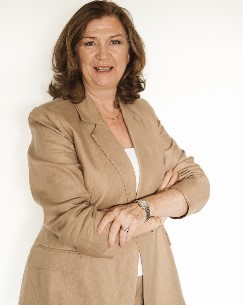
Maureen Callister
Maureen Callister
- Designation: Maureencallister.com
- Country: Australia
- Title: Expanding the Whole in Holistic Healthcare
Abstract
What if stress is not simply a reaction to life but a reflection of our relationship with ourselves?
Despite extraordinary advances in healthcare, stress related conditions, burnout, anxiety, chronic fatigue, inflammatory disorders, and emotional overwhelm continue to rise. Increasingly, practitioners are recognising that health cannot be understood through the physical body alone.
This presentation explores the need to expand our understanding of holistic healthcare by more deeply integrating the mental, emotional, neurological, relational, and spiritual dimensions of human wellbeing.
Drawing on more than 25 years of clinical experience as a kinesiologist and stress specialist, Maureen Callister examines the relationship between stress perception, self worth, emotional conditioning, nervous system regulation, and physiological health. Through decades of clinical observation and the use of specialised kinesiology and muscle testing as feedback tools, recurring patterns have emerged linking emotional stress, subconscious beliefs, identity, and unresolved life experiences with chronic dysregulation within the body. The presentation explores how emotional perception influences physiological function through the nervous, endocrine, immune, and digestive systems, and how many chronic stress patterns are deeply connected to learned survival responses, inherited beliefs, and unresolved emotional experiences.
Particular emphasis is placed on the role of self worth and identity in shaping resilience, coping capacity, and the body’s stress response. Rather than viewing stress solely as an external problem to manage, this keynote reframes stress as meaningful information reflecting deeper imbalances between the individual emotional world, values, relationships, and authentic sense of self.
This thought provoking presentation invites practitioners to broaden the lens through which health and healing are understood and consider a more integrated model of care one that recognises the inseparable relationship between mind, body, emotions, and human meaning in the future of medicine.
Uncovering Ancestral Knowledge, Forging Health in the Future
Read More>>
Organizer
